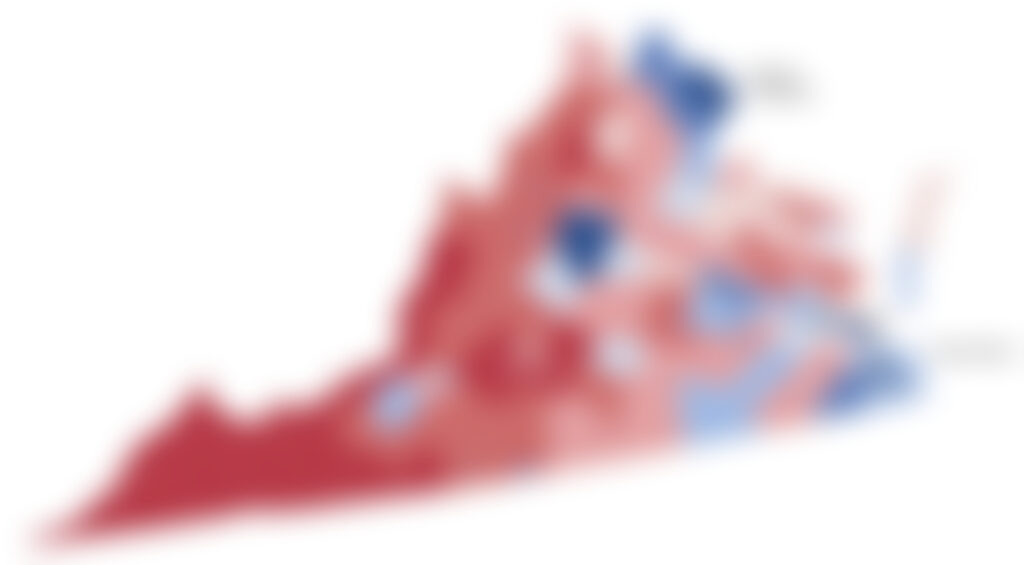
2026 Virginia Senate Forecast
Last Updated: Friday, February 6, 2025, 11:08 AM ET
Race Note:
Incumbent Democratic Sen. Mark Warner, first elected in 2008, is seeking a fourth term in 2026. Virginia, once a Republican stronghold in the Old South, has shifted decisively toward Democrats over the past two decades, driven largely by population growth and diversification in Northern Virginia’s D.C. suburbs. Democrats have won twelve consecutive federal elections in the state, including seven straight U.S. Senate contests.
In the 2024 presidential election, Kamala Harris carried Virginia by nearly 6 points, a narrower margin than Joe Biden’s 10-point win in 2020 but still consistent with the state’s Democratic lean. The following year, Democrat Abigail Spanberger won the governorship by over 15 points, reflecting backlash against Donald Trump’s second-term policies, particularly his efforts to downsize the federal workforce—a key issue in Northern Virginia.
Race Note:
Incumbent Democratic Sen. Mark Warner, first elected in 2008, is seeking a fourth term in 2026. Virginia, once a Republican stronghold in the Old
South, has shifted decisively toward Democrats over the past two decades, driven largely by population growth and diversification in Northern Virginia’s D.C. suburbs. Democrats have won twelve consecutive federal elections in the state, including seven straight U.S. Senate contests.
In the 2024 presidential election, Kamala Harris carried Virginia by nearly 6 points, a narrower margin than Joe Biden’s 10-point win in 2020 but still consistent with the state’s Democratic lean. The following year, Democrat Abigail Spanberger won the governorship by over 15 points, reflecting backlash against Donald Trump’s second-term policies, particularly his efforts to downsize the federal workforce—a key issue in Northern Virginia.
| County | Prediction | Population | % of State |
|---|---|---|---|
| County 1 | D+14.0 | 664,744 | 12.89% |
| County 2 | R+4.5 | 423,355 | 8.21% |
| County 3 | D+13.9 | 412,339 | 7.99% |
| County 4 | D+55.1 | 261,608 | 5.07% |
| County 5 | R+17.6 | 241,212 | 4.68% |
| County 6 | R+60.0 | 235,969 | 4.58% |
| County 7 | D+34.6 | 225,894 | 4.38% |
| County 8 | R+25.7 | 187,847 | 3.64% |
| County 9 | R+49.5 | 126,084 | 2.44% |
| County 10 | D+39.8 | 118,942 | 2.31% |
| County | Prediction | Population | % of State |
|---|---|---|---|
| County 1 | D+14.0 | 664,744 | 12.89% |
| County 2 | R+4.5 | 423,355 | 8.21% |
| County 3 | D+13.9 | 412,339 | 7.99% |
| County 4 | D+55.1 | 261,608 | 5.07% |
| County 5 | R+17.6 | 241,212 | 4.68% |
| County 6 | R+60.0 | 235,969 | 4.58% |
| County 7 | D+34.6 | 225,894 | 4.38% |
| County 8 | R+25.7 | 187,847 | 3.64% |
| County 9 | R+49.5 | 126,084 | 2.44% |
| County 10 | D+39.8 | 118,942 | 2.31% |